Type at least 2 characters to search
Hardware, software, startups, and the products shaping tomorrow.
Most teams cannot list the AI tools connected to their calendars, documents and code. A six-step audit you can run this week, starting with your identity provider.
Google released HEIR, an open-source compiler for running AI inference on encrypted data. It replaces "we promise not to look" with "we are unable to" — if it is fast enough.
A researcher found that AI meeting assistant tl;dv left 181,874 meeting records from 84,312 users open to any signed-in account. What to check if your team uses one.
The US Commerce Department has reportedly set national security review gates for capable AI models. What that means, why regulators chose pre-release review, and what is still unclear.
AI detectors are unreliable, and the old giveaways keep disappearing. A practical guide to the signals that still work in text and images — and the questions that work better.
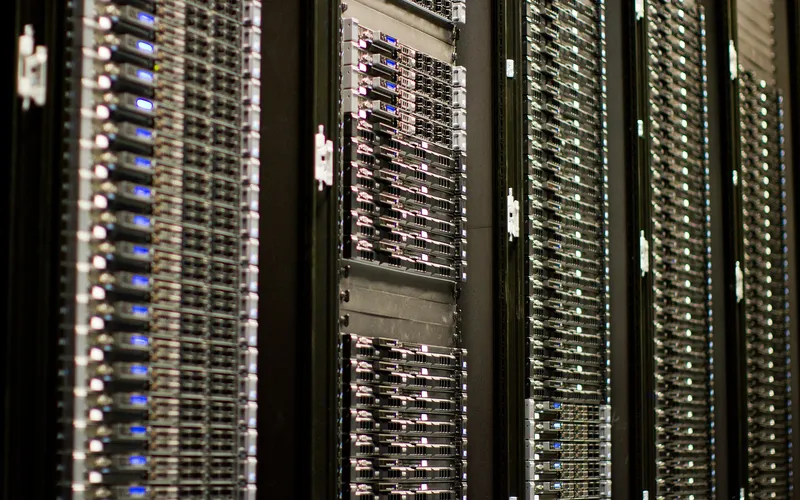
Liquid-cooled AI servers are forecast to jump from about 15% of the market in 2024 to roughly 76% in 2026. Why air cooling failed, how liquid works, and what it costs.
Quantum computers finally cleared their biggest obstacle in 2026. A plain-English guide to what qubits are, what error correction changed, and what these machines will and will not do.
Every 2026 flagship is good, which makes choosing harder. Here is what is now standard, the four things that actually differ, and how to avoid paying for features you will never notice.
A new bipartisan US bill would let officials order dangerous AI models shut down, with penalties reported up to $20M a day. What it proposes, and the serious arguments on both sides.
AMD and Anthropic announced a partnership covering up to 2 gigawatts of AMD GPUs, plus an investment of up to $5 billion. Why a real second chip supplier changes the AI industry.
There are now around 5 billion passkeys in active use. Here is what a passkey actually is, why it stops phishing, where adoption really stands, and how to start using them today.
Meta is reported to be building a cloud business to sell AI compute, challenging AWS, Azure, and Google. Here's what it means amid 2026's massive data-center and power build-out.